
Humata
ProductivitySearch, summarize and compare uploaded documents with source-linked answers. Humata adds team-oriented document access and page-based plans for ongoing knowledge work.
Questions across filesCited passages
An open-source PDF translation project focused on scientific documents and bilingual comparison while preserving layout elements. The current next branch uses BabelDOC and supports local interfaces plus configurable translation services.
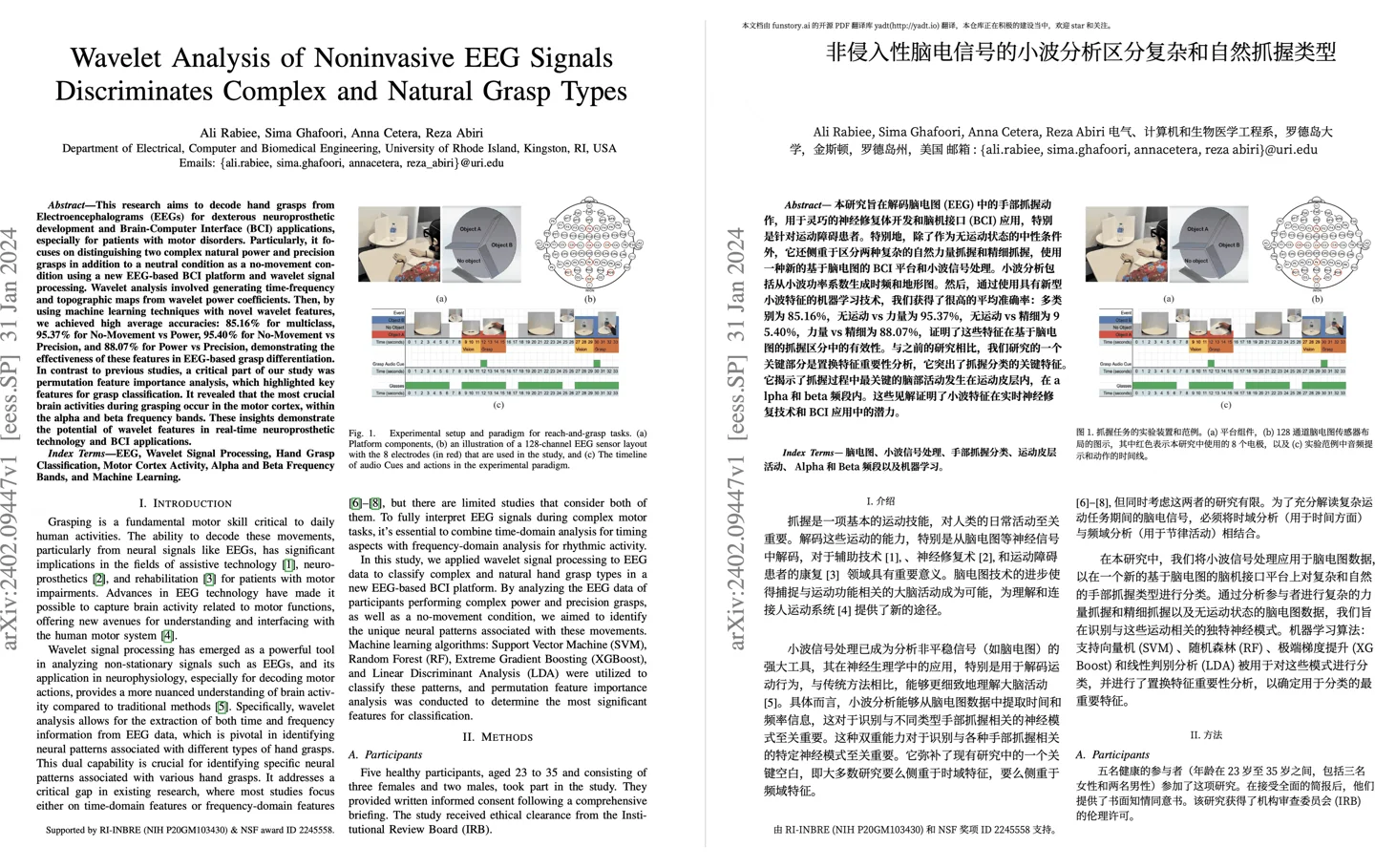
PDFMathTranslate helps readers translate PDF documents while retaining more of the page structure than a simple copy-and-paste text workflow. Scientific papers are a central use case because formulas, diagrams, references and multi-column layouts matter to comprehension. A bilingual view can make it easier to compare a translated explanation with the original wording.
This guide follows the current PDFMathTranslate-next branch and its pdf2zh-next commands, rather than combining instructions from different generations of the project. The translation engine and the PDF layout engine perform different jobs: one produces translated text, while the other attempts to place it in a useful document structure. Both need review on the actual file.
Read a foreign-language paper
Prepare a technical reading pack
Compare translation engines
Create an accessible study workflow
Official product image. Click to inspect the details.
Identify the document
Choose the current setup
Translate a sample
Review and retain provenance
Example prompt or task: Translate a representative page range of this scientific PDF from English to Simplified Chinese, then compare the original and translated versions for terminology, equation labels, figure captions and missing paragraphs.
This is an editorial starting workflow, not a measured performance result.
The next project is distributed under AGPL v3 and can be run without purchasing the software. A local model backend uses the user's own hardware; a hosted model or translation provider can charge separately or impose a limited free allowance.
The next project is distributed under AGPL v3 and can be run without purchasing the software. A local model backend uses the user's own hardware; a hosted model or translation provider can charge separately or impose a limited free allowance.
Do not assume that a public demonstration service is unlimited or that every listed provider remains permanently free. For a recurring workflow, estimate cost from a small representative document and keep the backend choice explicit. Review the project's license before redistributing modifications or operating a modified network service.
Yes. The current next branch is open source under AGPL v3.
No. The selected backend may have fees or limits.
The WebUI guide documents an Ollama route; hardware and model suitability still matter.
PDFMathTranslate-next and its pdf2zh-next workflow.
No. Check a representative sample and important pages.
Yes. Select the supported target language and preserve original technical terms where useful.
No. Cite the original work and verify claims against it.
Explore platforms, inputs and outputs, licensing, and access requirements.
The current branch builds on BabelDOC and provides WebUI, command-line and container routes. Its WebUI documentation describes a local browser address and configurable language settings; opening a browser page does not by itself mean the translation model is local.
Scans, unusual fonts, multi-column reading order and translated text expansion can complicate the result. If a paragraph does not fit cleanly, review the source and output rather than silently using a damaged page. Retain original citations and numeric values when creating notes from the translated document.
The PDF can be processed through local software while its text is sent to a hosted translation engine. Check both the document-processing location and the configured model endpoint; these are separate parts of the data path.
Use documents you are authorized to process and keep restricted manuscripts out of unapproved services. Translation does not remove copyright or publication restrictions, and an automatically translated paper should not be redistributed as though it were an authorized edition.
Reviewed October 3, 2026. Product facts come from the official sources below. Suggested projects, prompts and review methods are FindGoodAI editorial guidance, not measured performance results.
Loading experiences…
Saved tools are private. Approved comments are public; edits return to moderation. Comment counts include approved comments and replies. Each person has one rating. New ratings are automatically approved; withdrawn, unapproved or invalid ratings do not count. Share real experiences and avoid spam, private information or personal attacks.
For moderation appeals or data requests: support@findgoodai.com
Bring a real task and see how it fits the way you work.
User experiences