Weaviate
CodingWeaviate is an open-source AI vector database featuring hybrid search, built-in vectorization, multi-tenancy and Query Agent, with an always-free $0/month cloud tier (10 GB disk).
Explore Emergent for building web and mobile apps through conversation, with a practical first-project workflow, credit pricing and release checks to use.
Emergent is an AI development platform for turning a written brief into an application, then refining it through conversation. Its official workflow runs from describing the idea to previewing and publishing. The useful distinction is that an app contains behavior and data as well as screens: a good-looking form is not finished until validation, permissions and saved records behave as intended.
Editorial suggestion: use it first for a bounded prototype, such as a request tracker with two user roles. Write the acceptance conditions before asking for code. A narrow first project gives you a realistic way to evaluate generated behavior and the cost of revisions without treating a broad marketing promise as a guarantee of production readiness.
Internal request tools
Product validation
Business websites
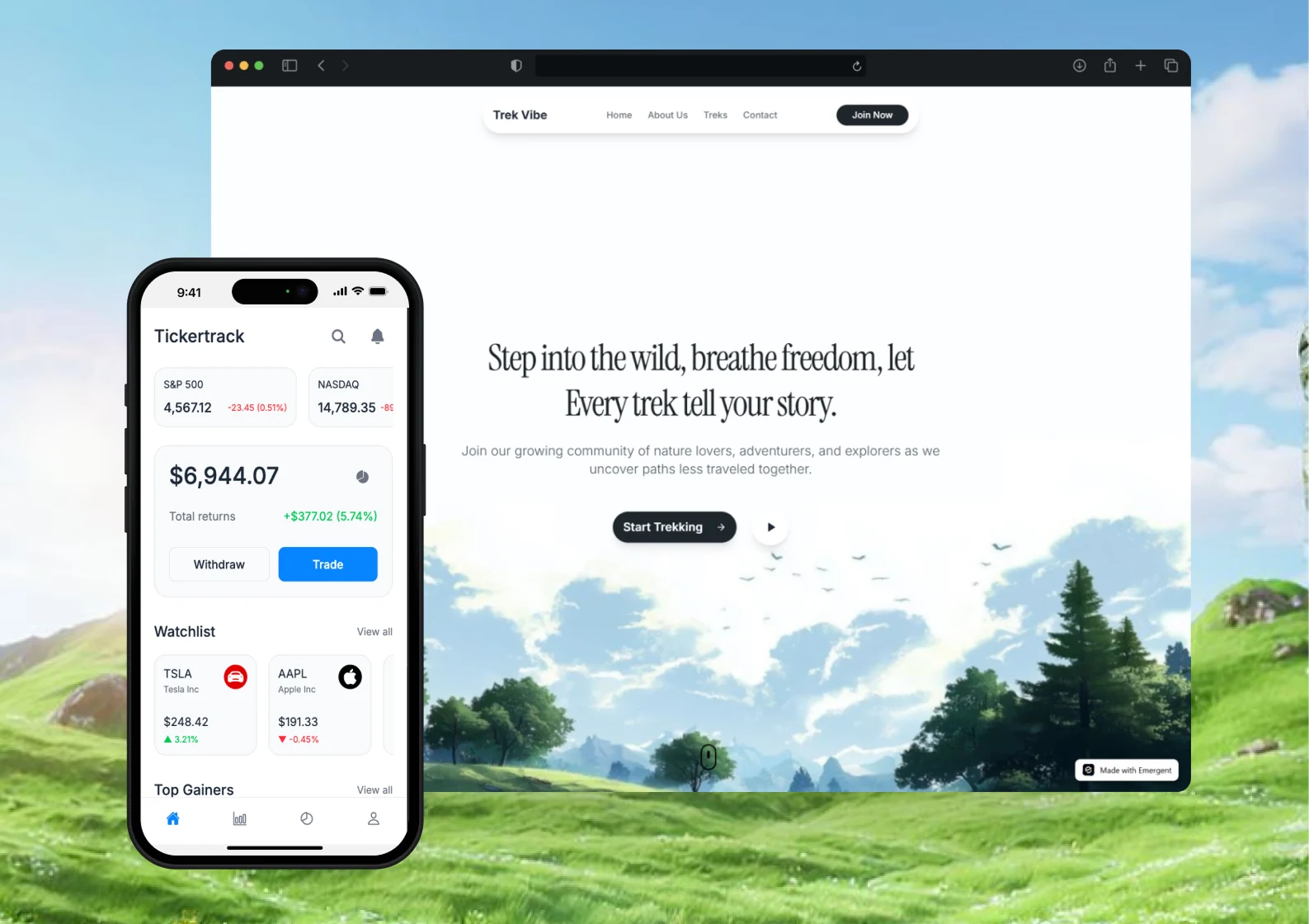
Official product image. Click to inspect the details.


Official examples and public-page captures; these are not results from a paid-feature trial.
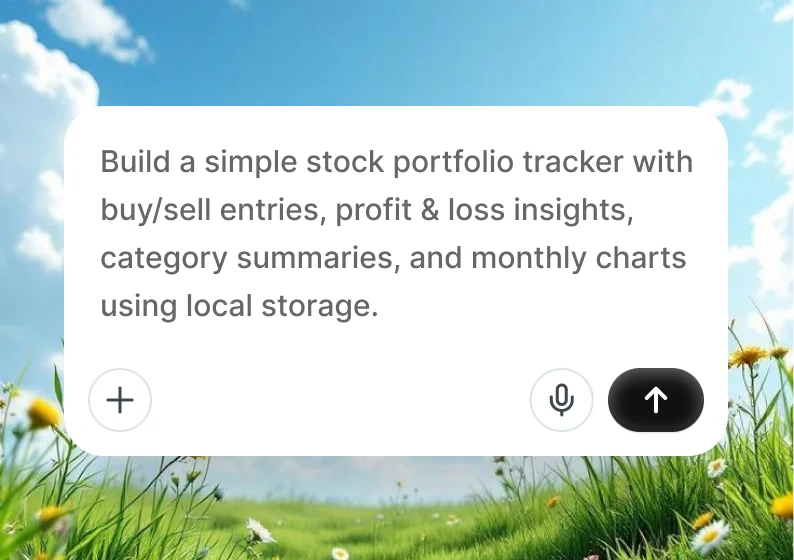
Describe the users, screens and actions you need. Keep business rules explicit: who can create a record, who can approve it, and which fields are required. Ambiguity in the brief becomes ambiguity in the result.
The help center documents previewing and iterating before release. Use that loop to test one behavior at a time, recording the expected result alongside the actual result rather than asking for a vague overall improvement.
The pricing page lists GitHub integration and private project hosting for Standard. Check the current export, deployment and integration settings before committing a real project to a particular operating model.
1. Write a testable brief
2. Generate the smallest useful flow
3. Test with the agent and independently
4. Review before deployment
List the user roles, a few key screens, the records you will store and three acceptance examples. Include one failure case, such as an empty required field. Start with sample data rather than uploading a customer database.
Ask for one complete path from input to saved result. Inspect it in the preview before adding optional features. A working narrow path provides a better foundation for discussion than many screens with unclear connections.
Use the documented debugging workflow to describe a failing case, its steps and the expected outcome. Then repeat the scenario yourself. Check a second user’s access and refresh the page to see whether data actually persisted.
Confirm environment settings, external service charges, repository access and a rollback path. Test the deployed URL separately from the preview. Payments, private records and administrator actions deserve explicit checks even when the generator reports success.
The dedicated pricing page lists Free at USD 0 with 10 monthly credits. Its annual-plan view lists Standard at USD 20 per month with 100 monthly credits, and Pro at USD 200 per month with 750 monthly credits. These are displayed annual-plan rates; confirm the total charge at checkout. Business and Enterprise use custom pricing.
The homepage and pricing page show different starting figures. This profile uses the dedicated pricing page and does not convert the homepage’s lower figure into a confirmed checkout offer. Build credits are not a promise of unlimited revisions or zero external-service costs.
Yes. The pricing page lists 10 free monthly credits. Check the account balance before a large build.
The platform describes web and mobile app building. Evaluate the particular data and behavior your project requires.
No. Validate permissions, data persistence, error handling and the deployed environment before real users depend on it.
Yes, on the Standard pricing card. Confirm repository permissions before linking a project.
Use the dedicated pricing page for comparison and the final checkout for the actual charge; do not combine different promotional figures.
No. This is an official-source profile with an editorial evaluation workflow, not a production deployment benchmark.
Explore platforms, inputs and outputs, licensing, and access requirements.
These tools overlap with parts of the workflow; compare the specific task, export requirements and current plan rather than treating them as identical products.
Use synthetic data during evaluation. Before connecting a repository or production service, check which permissions the project receives and where secrets are stored. Review database ownership and access rules in the generated application itself. Hosting availability does not establish that the application’s authorization logic meets your requirements.
Loading experiences…
Bring a real task and see how it fits the way you work.
User experiences